

Erectile dysfunction as a young person can feel both unfair and frustrating, but you’re far from alone – and there are effective solutions. This article will give you an overview of the most common causes, symptoms and concrete actions you can take to understand what’s happening in your body and how you can take back control. I’ll guide you through everything from stress, sleep and lifestyle to more specific challenges like pelvic pain and decreased sensitivity. You’ll gain insight into how my personalized and safe treatment can give you peace of mind, boost your confidence and restore a natural, well-functioning sex life. Read on and discover how much is actually possible – for you too.
Erectile dysfunction in adolescence is common, is often caused by a combination of physical and mental factors, and in most cases can be resolved with the right individual treatment.

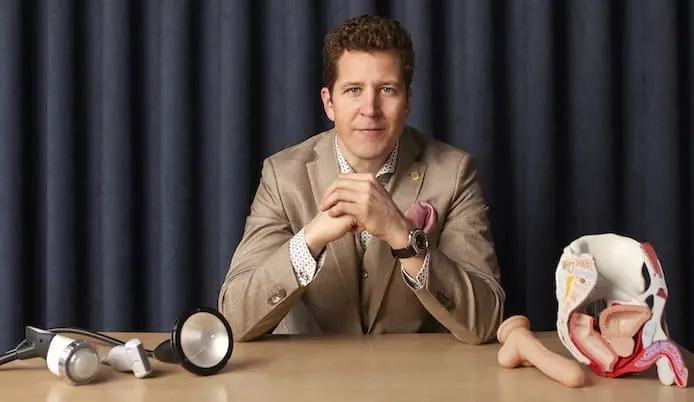
International speaker & expert in shockwave and EMTT treatment for erectile dysfunction, peyronies & CPPPS.
If you experience erectile dysfunction as a young person, it can feel illogical, shameful or scary. Many people think “it shouldn’t happen to me at my age”. The truth is, it’s common – and in the vast majority of cases it can be fixed. I run MS Insight, a specialized clinic in Copenhagen focusing on men’s intimate health. I combine thorough assessment with targeted treatment to give you peace of mind, body confidence and a quality of sex life that feels natural and free. You will be met without judgment and without taboo – just clear professionalism and concrete solutions that fit your life.
I work with on a daily basis:
My approach is evidence-based and holistic: advanced diagnostics with ultrasound, focused shockwave therapy, EMTT (electromagnetic transduction therapy), neuromodulation and specific advice on sleep, exercise, stress, habits and pelvic floor function. I work with both the symptoms in the here and now and with the causes that often lie beneath the surface – so the effect lasts.
“Erectile dysfunction at a young age” can manifest itself in several ways:
Variation is normal: Not every erection is “peak performance”. But if it starts to fill you up, affecting your desire, mood or relationship, it’s a sign that it’s a good idea for me to look at it with you – safely and systematically.
Performance anxiety, worries about “delivering” and negative expectation can in themselves sabotage an erection. The nervous system goes into danger mode, muscles tense up – including in the pelvic floor – and blood vessels constrict. It’s not “in your head” like a figment of your imagination; it’s a physiological stress reaction that I can help you balance. I teach you concrete tools to shift your focus from performance to sensation, regulate your breath and pace, and rebuild a sense of control in your body.
Sleep deprivation, high workload, too little exercise, excessive caffeine and irregular meals affect hormones, blood vessels and the nervous system. Regular strength and cardio training, better sleep hygiene and stable circadian rhythms alone can make a significant difference – and they often work quickly in combination with targeted treatment. I make it simple: small, realistic changes that you can stick to and that measurably boost energy, desire and erections.
For some, frequent porn use and rapid switching between new stimuli creates a habit where the brain expects more intensity than “live sex” provides. The evidence is mixed, but many young people experience improvement by cutting back on porn, avoiding prolonged edging, working on pace, presence and senses – and giving the nervous system a chance to reset. I’ll make a realistic plan with you, without morals or taboos, to reconnect desire to body and touch rather than screen.
An overactive, tight pelvic floor can cause erectile dysfunction, premature ejaculation, pain in the penis/perineum and a feeling of “weak erection”. This is often seen in young people who are stressed, spend a lot of time sitting or play hard sports. I examine pelvic floor function and use neuromodulation, manual therapy and targeted exercises – often with rapid symptom relief. Signs of an overactive pelvic floor can be postvoid dribbling, difficulty starting to urinate or a constant “holding it in” feeling.
Pressure on the pudendal nerve (e.g. from a bicycle saddle, sedentary work or muscle tension) can cause sensory disturbances, burning, tingling and difficulties with erection. This can be treated with load modification, relaxation, neuromodulation and gradual training. I advise on saddle type, sitting position, breaks and simple adjustments to relieve the nerve to restore sensitivity and function.
Peyronie’s disease (scar tissue in the tunica albuginea) can occur after minor repetitive trauma – also in adolescents. Signs are curvature, pain and hardening of the shaft. Early diagnosis is important. I use ultrasound to assess tissue condition and create a plan that may include focused shockwave for pain reduction, tissue stimulation and symptom relief – as well as advice on loading and gentle sex positions. I also help you avoid inappropriate stretching or rough manipulation that can aggravate the condition.
Low free testosterone, high prolactin, thyroid dysfunction or side effects from medications (e.g. SSRIs, finasteride, certain antihypertensives) may play a role. I assess symptoms and the need for relevant blood tests and coordinate with your GP. Signs of hormonal imbalance may include low morning appetite, low energy, decreased muscle strength or mood swings – all of which I ask about specifically.
Even in young people, insulin resistance, smoking/vaping, high blood pressure or fat in the blood can affect the blood vessels in the penis. The erection is a “barometer” for vascular quality. That’s why I include body and circulation in the plan – both for your current sexual function and your long-term health. Small changes in diet, movement and nicotine/alcohol habits can quickly show in energy, mood and erection.
Alcohol can briefly reduce erection and sensation; nicotine and vape affect blood vessels; cannabis can affect desire, reaction patterns and nerve tone. I review habits without finger pointing and make a realistic plan. It’s not about perfection, it’s about finding a level where the body can cooperate again.
Untreated infections, bladder/prostate irritation and skin problems on the penis can worsen both pain and erection quality. If necessary, I will refer you to a doctor/urologist for targeted assessment. Symptoms such as burning during urination, discharge, redness or a persistent burning sensation should always be taken seriously and investigated.
Seek help if:
Emergency contact (doctor/emergency room) if you have an erection for more than 4 hours (priapism), sudden severe swelling after trauma, or blood in urine/semen.
I go through your history: when did it start, what makes it worse/better, porn and masturbation patterns, sleep, stress, medication, sports – without taboo. I use relevant questionnaires like the IIEF (International Index of Erectile Function) to measure the baseline and prioritize efforts. You set the pace and I always explain why I recommend what I do.
I offer advanced diagnostics with ultrasound and Doppler to assess blood flow and tissue conditions in the penis – especially if vascular causes or Peyronie’s are suspected. I also assess pelvic floor function, posture and any nerve irritations. The goal is to get a clear picture of what is happening – so the treatment is on target.
If needed, I recommend blood tests (morning testosterone, SHBG, prolactin, TSH, HbA1c, lipids etc.) with your GP. In case of red flags or the need for medical treatment, we coordinate with your doctor/urologist/ so you get the right team around you.
I put it all together in a clear plan that fits your goals and your everyday life. Small improvements in several places often have a big overall effect – and I follow up so you can see and feel the progress.
FSWT is a well-documented, non-invasive treatment that stimulates microcirculation and tissue repair. It has the best evidence for mild to moderate vascular erectile dysfunction and can improve penile hemodynamics. I use it purposefully, often in combination with exercise, lifestyle interventions and possibly medication – and with ongoing measurement of effect. If FSWT isn’t relevant to your problem, I’ll tell you straight out and suggest a better way.
EMTT works with a pulsed magnetic field that affects deeper tissues and nerves. I use EMTT especially for chronic pelvic pain, muscle tension and nerve irritation, where the goal is pain relief, better tissue healing and normalization of muscle tone. The treatment is gentle and you can usually continue your daily activities.
With neuromodulation, I help your nervous system from “alert” to “calm” so that muscles and blood vessels work together again. This is particularly relevant for overactive pelvic floor, pudenda-related symptoms and performance anxiety linked to bodily reactions. I combine it with specific home exercises so that the effect is stable.
For some, PDE5 inhibitors (e.g. sildenafil/Viagra or tadalafil/Cialis) provide good support for a period of time. I advise on safe use and always coordinate with your doctor so that we get it right – and use the medication as a remedy, not a crutch for life. Important: PDE5 inhibitors must not be combined with nitrate-containing medications; I make this assessment together with you and your doctor.
I work with psycho-sexual strategies: letting go of performance focus, finding pace and intimacy that suits you, and dealing with anxieties. If it makes sense, I involve your partner or refer you to a sexologist colleague for additional support. The goal is to make sex feel safe, fun and connected again.
I set clear goals and milestones. I follow up, adjust along the way and use both your experience and objective measures (e.g. IIEF) to document progress. You always know where you are in the process – and why we do what we do.
The answer is yes. Studies suggest that up to one in four people seeking help for erectile dysfunction are under 40. It’s common – and often reversible. It doesn’t mean that “something is wrong with you” as a person; it means that your body and nervous system need more targeted support right now.
It’s almost always a combination. Morning erections and good erections during masturbation can point to performance pressure, but sleep, stress, pelvic floor and blood vessels are almost always involved. A systematic investigation provides the answer – and directs your efforts. I explain the connections so you can understand your own body and take back control.
For many: yes. A period of less porn and more physical intimacy can restore sensitivity and calm. The evidence isn’t black and white, so I’ll create a plan that works for you, without prohibitionist thinking. The goal is to strengthen desire and intimacy – not to create guilt.
Only if the pelvic floor is weak. In many young people it is too tense – this is where Kegels aggravates. I first examine and teach you the right strategy (often relaxation before strength). This way you avoid training against the problem.
Prolonged pressure from the saddle can irritate the pudendal nerve and affect sensation/erection. Saddle checks, breaks, technique and treating tension often help. I’m happy to guide you in saddle selection and bike fitting so you can continue doing what you love – without symptoms.
Bottom line. FSWT is best for mild/moderate vascular ED and selected Peyronies courses. I only use it when professionally indicated – and always as part of an overall plan. If your symptoms point in a different direction, I prioritize what helps you the most.
I hear that a lot. A different angle – focusing on pelvic floor, nerves, sleep or performance pressure, for example – can be key. A new, structured investigation often provides answers and momentum. I help you clear away the noise and find the shortest path to recovery.
I specialize in men’s intimate health, where body, mind and relationship meet. My core is professional weight without taboo, advanced diagnostics (ultrasound/Doppler) and tailored combination programs focusing on both symptoms and causes. As a sexologist and shockwave specialist, I have clients from all over the Nordic region – especially Copenhagen and Zealand – and I know how vulnerable it can feel to seek help. You will be met with respect, discretion and a plan that works in your reality.
If you have pain, curvature or persistent problems, don’t go it alone. A short conversation can save you months of doubt and frustration.
Erectile dysfunction in youth is not a character flaw. It’s a signal from your body and nervous system that I can help you understand and influence. I offer a safe, professional setting in Copenhagen – with room for both the professional and the personal. Write or call and I will find a time that suits you. I help men from all over the country, and you will be met without prejudice – with a clear plan and focus on results that last.
When you’re ready, I’m ready. Let’s get your body, your courage and your sexuality back on the same team.
If you are interested in hearing more about how I can help you, you are always welcome to contact me by phone 41 40 08 58 or email michael@msinsight.dk. I’ll get back to you quickly with a customized proposal so we can find the best way forward together.
I will get back to you within 12-24 hours.
Are you unsure about what’s causing your symptoms, or whether a specialized treatment program at our clinic in Copenhagen would be right for you? If so, you can start with a brief, confidential consultation. During this consultation, we’ll assess whether your symptoms align with the areas I specialize in at MS Insight and determine what the next appropriate step might be.
The initial consultation is not a full consultation, diagnosis, or treatment plan. It is intended for those who would like a thorough assessment of whether it makes sense to proceed with a more in-depth examination, an ultrasound scan, and a personalized plan at our clinic in Copenhagen.